
The 2026 EV market in one minute
Electric vehicles enter 2026 in the most contradictory state of their short history. Global EV share is still climbing — China sits at 49.5% NEV and the UK at 23.4% BEV of new-car sales — while US adoption collapsed from 10.5% to 5.8% in Q4 2025 after the federal $7,500 tax credit expired September 30, 2025 under the One Big Beautiful Bill Act. That policy shock produced an immediate discount war that is still reshaping US sticker prices through spring 2026.
First, the price cuts are real. Hyundai slashed Ioniq 5 MSRPs by up to $9,800, Kia is offering $10,000 off on EV6, EV9, and Niro EV, and most mainstream EVs carry dealer concessions of $5,000–$10,000 on aging 2026 inventory. Combined with the new American-Made Vehicle Loan Interest Deduction (up to $10,000/yr through 2028 for US-assembled cars), the net cost of several US-built EVs is roughly flat versus the old incentive-driven pricing.
Second, range is no longer the bottleneck. The Lucid Air Grand Touring now delivers 512 miles of EPA range, the Chevrolet Silverado EV Max Range hits 493 miles, and a dozen mainstream models clear 300 miles. Average daily driving is 37 miles in the US, 20 miles in the UK, and 33 km in Australia — even the cheapest 2026 EV covers a full week on one charge.
Third, the charging plug war ended. NACS (formally SAE J3400) is now effectively universal — Ford, GM, Rivian, Hyundai/Kia, Mercedes, BMW, Honda, Nissan, Toyota, VW Group, and Stellantis all have Supercharger access via native plug or a $185–$230 adapter. The US public DC network hit 71,398 fast-charging ports (+33% YoY); the UK crossed 119,080 public chargers. Range anxiety is now largely a home-charging-access problem, not a hardware one.
If you want the safest default EV, the Hyundai Ioniq 5 ($35,000 post-cut) is KBB's Best EV 2026 for the third year running. For a three-row family, the Kia EV9 (~$54,900) is unmatched for the money. For flagship range and luxury, the Lucid Air Grand Touring ($114,900) delivers 512 miles on a single charge. And for UK and Australian buyers, the BYD Seal and Sealion 7 now undercut every legacy rival on price.
Entry tier: EVs under $42,000
The entry tier is where the 2026 price war has landed hardest. A year ago the cheapest credible 300-mile EV in the US cost close to $45,000. Today the redesigned Nissan Leaf starts at $29,990, the Hyundai Ioniq 5 has been cut to $35,000, the Tesla Model 3 starts at $36,990, the Chevrolet Equinox EV at $36,795, and Tesla Model Y at $39,990. In Australia the budget tier dips even lower — the BYD Atto 1 starts at A$23,990, the cheapest new EV in the country.
These cars share a core profile: 60–84 kWh batteries, 250–330 miles of EPA range, 150–257 kW DC fast charging, and a feature set that would have been called flagship just three years ago. The compromises — firmer rides, softer interiors, smaller screens — are real but minor. The value, especially for home-charging households, is not.
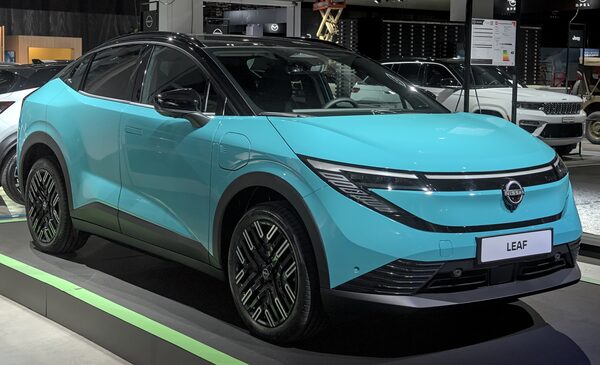
2026 Nissan Leaf (all-new 3rd gen crossover)
S+ $29,990 · SV+ $34,230 · Platinum+ $38,990
The fully redesigned third-generation Leaf trades hatchback for crossover stance, adds a 75 kWh battery, and goes all-in on native NACS — the first non-Tesla EV to ship Supercharger-ready from the factory in this price tier. 214 horsepower, 303 miles EPA range on the S+, and efficiency of 131/111 MPGe. KBB named it Best New Model 2026 and Best EV Under $35k.
Who should buy it
First-time EV buyers and commuter households that want a genuinely affordable electric car without feeling punished for the budget. The Leaf is one of the few BEVs in the UK that still qualifies for the £3,750 Band 1 Electric Car Grant, which sharpens its value proposition further in that market.
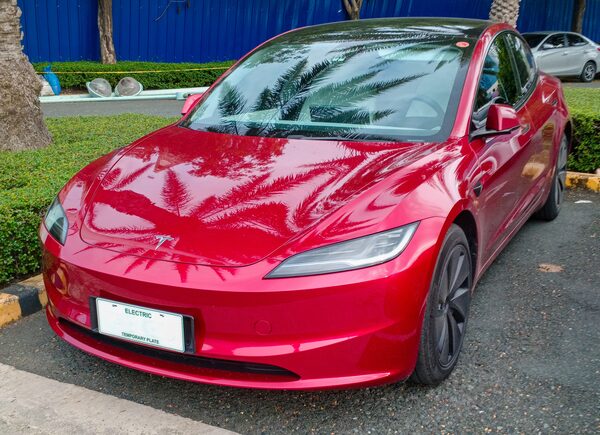
2026 Tesla Model 3
Standard $36,990 · Long Range ~$46,000 · Performance $54,990
Still the segment's efficiency and software benchmark. The Performance trim produces 510 hp and hits 0–60 mph in 2.9 seconds. EPA range spans 272–363 miles across the lineup, and Supercharger access remains the most mature in the industry. Euro NCAP 2025 named the Model 3 Best Large Family car.
Who should buy it
Buyers who prioritize software quality, OTA updates, and road-trip fast-charging reliability over interior materials. The Model 3 remains the clearest answer for drivers who want an electric sedan that just works everywhere and comes with the category's most mature fast-charging network behind it.
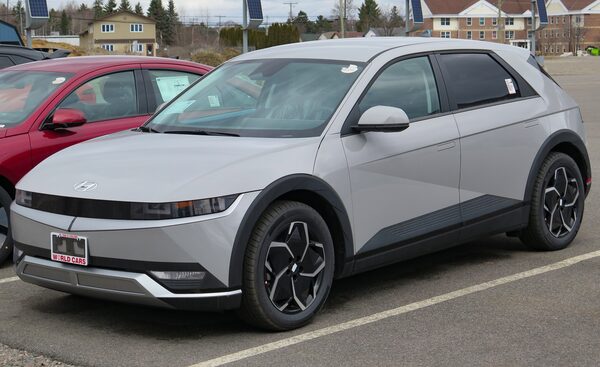
2026 Hyundai Ioniq 5
SE SR $35,000 (post-$9,147 cut) · Limited AWD $48,975 · Ioniq 5 N $66,200
Hyundai cut Ioniq 5 MSRPs by an average of $9,147 in response to the expired federal credit — so the entry price has fallen more than any direct rival this cycle. 800V architecture enables 257 kW DC fast charging and 10–80% in 18 minutes. Up to 318 miles EPA range. Native NACS plug. The 641-hp Ioniq 5 N adds track-grade performance for buyers who want it.
Who should buy it
Value-focused shoppers who want flagship tech — 800V charging, vehicle-to-load, a 10-year battery warranty — at a mainstream price. The Ioniq 5 is also one of the only EVs under $40,000 with both native NACS and true 250+ kW fast charging, meaning real-world road trips are 20 minutes at a plug instead of 45.
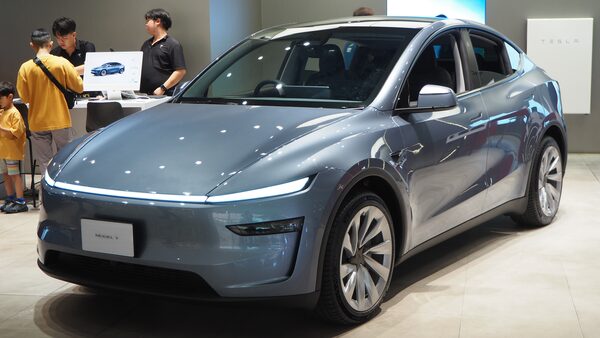
2026 Tesla Model Y (Juniper refresh)
Standard $39,990 · Premium AWD ~$50,380 · Performance $58,880
The refreshed Juniper Model Y keeps the crown as the best-selling vehicle on the planet — over 1.1 million units in 2025. Up to 327 miles EPA range on the Premium AWD trim, 60–82 kWh batteries, 10–80% charging in roughly 27 minutes on the 250 kW Supercharger network. UK pricing starts at £60,990; Australian Performance trim is A$89,400.
Who should buy it
Buyers who want the safest software-supported EV experience with global service coverage. The Model Y's ride and interior materials are genuinely behind the refreshed Hyundai and Kia rivals, but its charging network and resale remain the strongest in the segment.
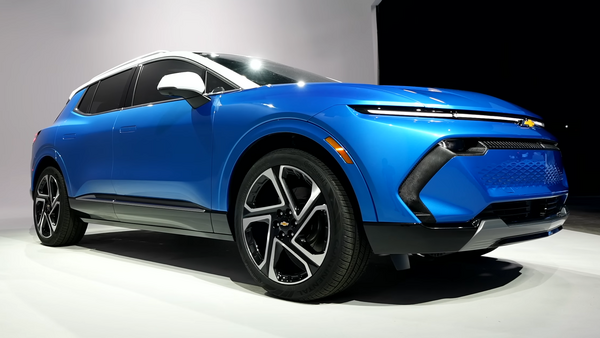
2026 Chevrolet Equinox EV
LT1 $36,795 · RS $45,895 · 85 kWh battery
GM's mainstream American electric answer. 220 hp FWD or 300 hp AWD, 319 miles of EPA range on the front-wheel-drive configuration, and 103 MPGe combined. Super Cruise hands-free highway driving is optional on most trims — a genuine Level 2+ system that Consumer Reports rates among the safest on the market.
Who should buy it
American buyers who want a US-assembled EV that qualifies for the new $10,000/yr loan-interest deduction, have home charging, and want 300+ miles of range without paying Tesla or Hyundai prices. The Equinox EV is also one of the few mainstream EVs where Super Cruise is a realistic-option box to tick.
Honorable mentions under $42,000
The 2026 Hyundai Ioniq 6 (from $37,850) delivers a segment-leading 361 miles EPA range on the SE Long Range RWD trim thanks to its 0.21 drag coefficient — the most aerodynamic production car sold in the US. The 2026 Ford Mustang Mach-E Select ($37,795) remains a refreshing driver's EV with 280 miles of range, BlueCruise hands-free highway, and native NACS. Both are increasingly available with $3,000–$7,000 dealer discounts on 2026 inventory.
Mainstream tier: $42,000–$60,000
The mainstream tier is the thickest part of the 2026 EV market. This is where three-row family EVs, mid-size luxury sedans, and the most credible all-electric pickup trucks now live. Buyers in this range expect 300+ miles of real-world highway range, 200+ kW DC fast charging, and at least Level 2+ hands-free highway assistance as an option box.
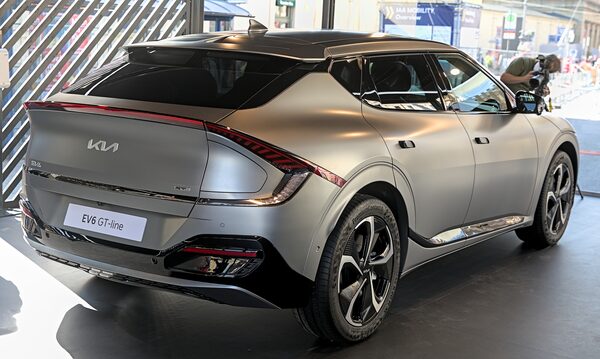
2026 Kia EV6
Light RWD $42,900 · GT-Line AWD $60,470 · GT $65,000
Kia's sharper, more driver-focused counterpart to the Ioniq 5. Up to 319 miles of EPA range, and the GT trim produces 641 horsepower and hits 0–60 mph in 3.4 seconds — faster than most Porsche Taycan variants. Kia is bundling up to $10,000 off EV6, EV9, and Niro EV on 2026 dealer inventory.
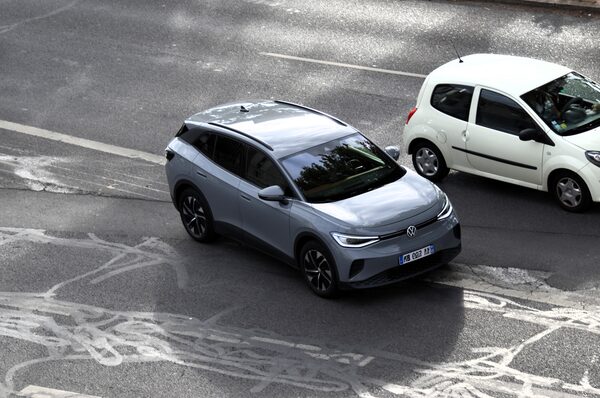
2026 Volkswagen ID.4
Pro RWD $45,095 · AWD $48,995 · 82 kWh
VW's mainstream electric crossover delivers 291 miles EPA range on the RWD trim and 175 kW DC fast charging. US pricing rose $5,100 vs 2025 as the Limited trim was dropped. Chattanooga production ends April 2026 — the ID.4 will be replaced by the upcoming "ID. Tiguan" late in 2026, so current inventory carries the largest discounts of its lifecycle.
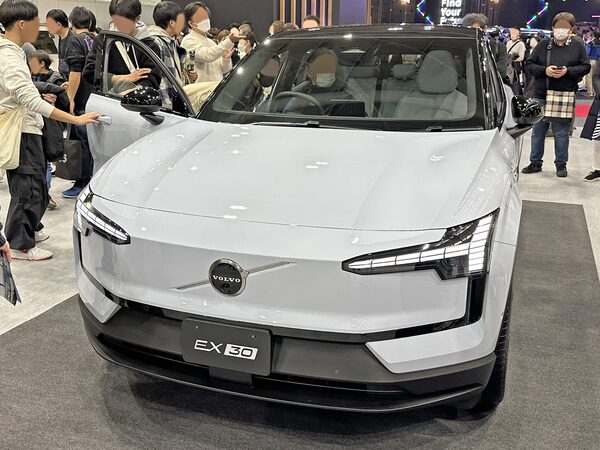
2026 Volvo EX30 Cross Country
US Cross Country $49,445 · UK from ~£33,000
The smallest Volvo ever and one of the quickest. The Twin Motor Performance produces 422 hp and runs 0–60 mph in 3.4 seconds; the Cross Country variant adds rugged body cladding and 227 miles of EPA range. A rare genuinely small premium EV that actually fits city parking and still feels like a luxury product inside.
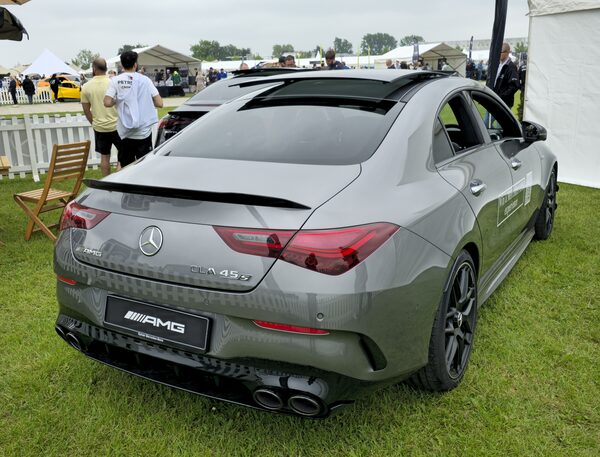
2026 Mercedes-Benz CLA Electric
CLA 250+ $47,250 · 85 kWh · 374 mi EPA est.
Mercedes's entry-level electric sedan pairs 800V architecture and 320 kW DC fast charging (10–80% in 22 minutes) with an estimated 374 miles EPA range. The MBUX 4th-generation Superscreen integrates both ChatGPT and Gemini natively — a first in this segment. Euro NCAP named the CLA its 2025 Overall Best Performer across all classes.
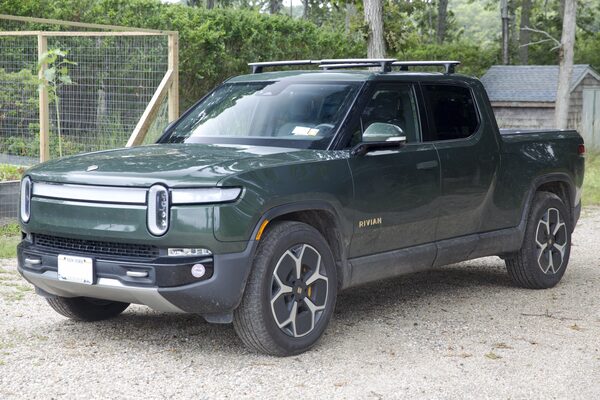
2026 Rivian R2 (launch Spring 2026)
Standard $45,000 · Standard LR $48,490 · Premium $53,990 · Performance Launch $57,990
Rivian's smaller, cheaper family SUV lands this spring as the most anticipated US EV launch of 2026. 87.9 kWh usable battery, 350–656 hp depending on trim, up to 345 miles EPA range, and native NACS out of the factory. One caveat: the launch R2 does not include a heat pump, which will dent cold-weather efficiency in northern markets.
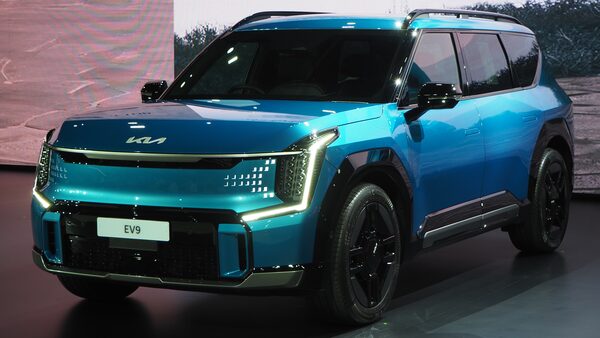
2026 Kia EV9
Light RWD ~$54,900 · GT-Line AWD ~$73,900
The breakout three-row electric of this generation. Up to 99.8 kWh of battery, 201–379 hp depending on trim, and up to 305 miles of EPA range. The 800V electrical architecture enables 230 kW DC fast charging — 10–80% in under 25 minutes — and Kia's $10,000 2026 inventory incentive effectively prices it against a gas Palisade.
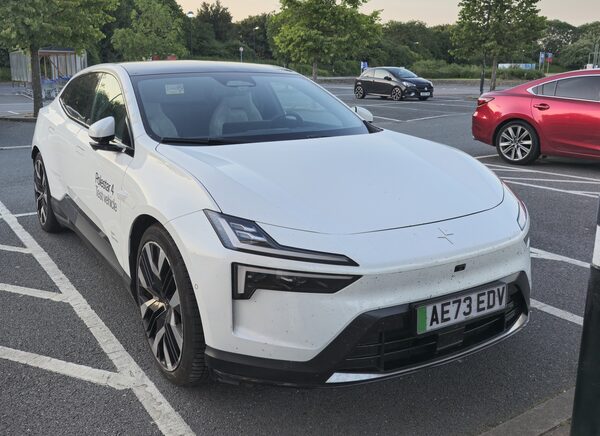
2026 Polestar 4
Single-motor RWD ~$55,000 · Dual Motor Performance ~$75,000
Polestar's boldest design bet — the 4 replaces the rear windshield with a roof-mounted camera feeding a digital mirror. 94 kWh battery, 268–544 hp, and up to 310 miles of range. Native Google Built-in on every trim, and Polestar service now runs through Volvo dealer infrastructure in the US, UK, CA, and AU.
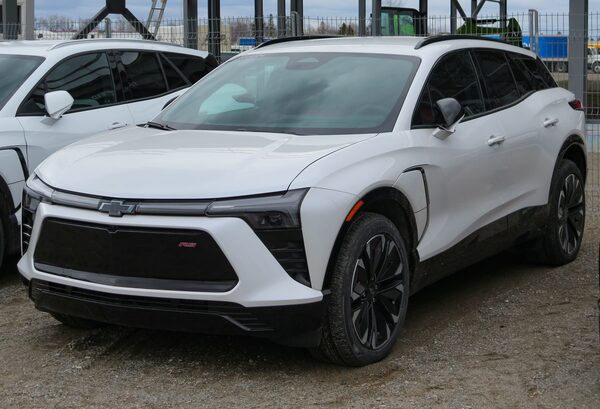
2026 Chevrolet Blazer EV
LT ~$45,000 · RS ~$52,000 · SS ~$62,000
The Blazer EV shares the Ultium platform with the Equinox but steps up battery capacity (85–102 kWh), range (up to 334 miles EPA on RS RWD), and performance (the SS trim's 615 hp WOW mode hits 0–60 mph in 3.4 seconds). Super Cruise is available across most trims.
The gap between perceived range anxiety and real-world need is stark — the average American drives 37 miles a day, and even the cheapest 2026 EV covers a full week on a single charge.
Premium tier: $60,000–$90,000
The premium tier is where 800-volt architecture, 300+ kW DC fast charging, and 400-mile EPA range are now baseline expectations rather than options. This is also the segment where the 2026 upgrades have been most aggressive — Volvo added 800V and 350 kW charging to the EX90, BMW's new Neue Klasse iX3 ships 400 kW peak, and Rivian extended the R1T range to 410 miles on the Max Pack.
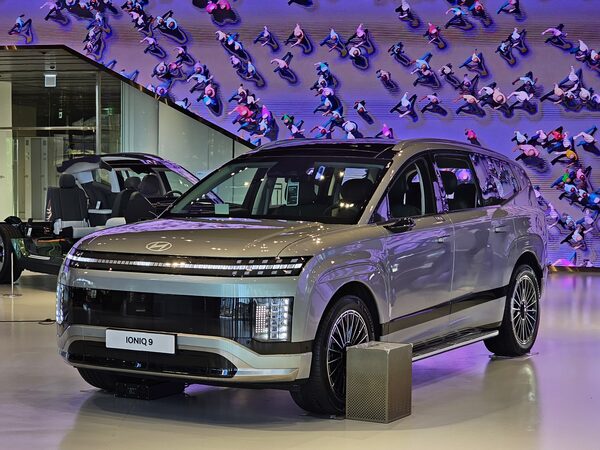
2026 Hyundai Ioniq 9
S RWD $60,555 · Performance AWD trim 0–60 in 4.9s
Hyundai's all-new three-row electric flagship, assembled in Georgia. The 110.3 kWh battery delivers up to 335 miles EPA range on the RWD trim. The Performance AWD version produces 422 hp and hits 0–60 mph in 4.9 seconds. Includes seven USB-C ports, HDA2 highway assist, and qualifies for the new US-assembled loan-interest deduction.
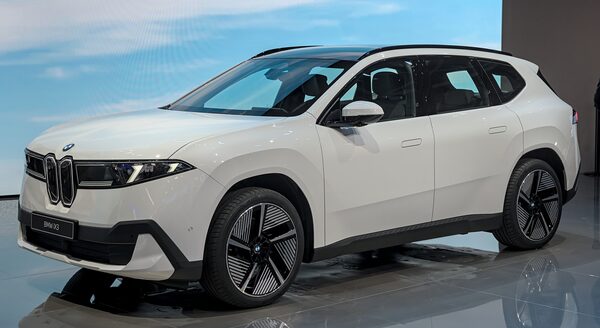
2026 BMW iX3 50 xDrive (Neue Klasse)
Est. ~$60,000 USD · Germany €70,900 · 108.7 kWh
The Neue Klasse iX3 delivers 463 hp, up to 400 miles of EPA range, and a class-leading 400 kW peak DC charging rate — 10–80% in just 21 minutes. BMW reported more than 50,000 pre-orders since the September 2025 reveal, and the platform underpins the next-generation 3 Series and 5 Series EVs arriving through 2027.
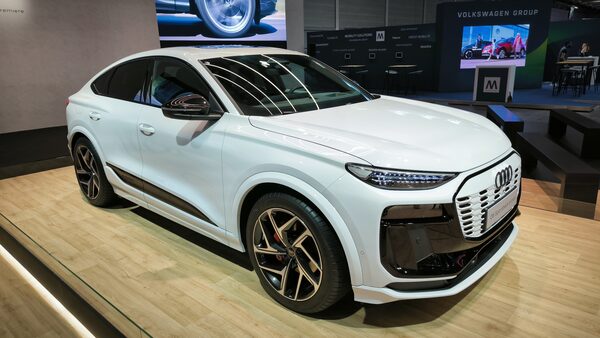
2026 Audi Q6 e-tron / A6 e-tron
Q6 $65,095 · SQ6 ~$100,054 · A6 e-tron $65,900 · S6 $78,700
Audi's PPE platform cars — co-developed with Porsche — bring 94.4 kWh batteries, 800V architecture, and 270 kW DC fast charging. The A6 e-tron Sportback RWD hits 392 miles of EPA range, the SUV-bodied Q6 tops out at 321. Up to 543 hp is available in S6 guise, and Audi's new AI-powered voice assistant is genuinely competitive with Mercedes's MBUX.
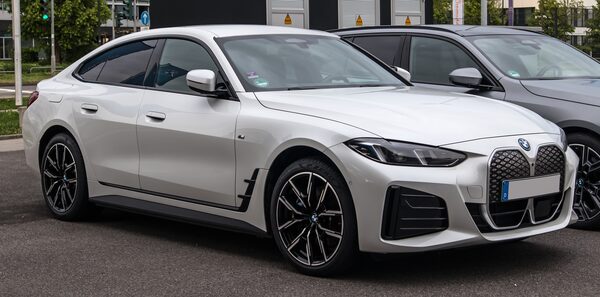
2026 BMW i4
eDrive40 $57,900 · M60 $71,875
BMW's electric Gran Coupé uses the CLAR platform carried over from the 4 Series Gran Coupé — so the driving dynamics feel genuinely BMW, not clean-sheet-EV. 81 kWh battery, up to 593 hp in M60 trim, and up to 333 miles EPA range. Supercharger access via adapter arrived spring 2026.
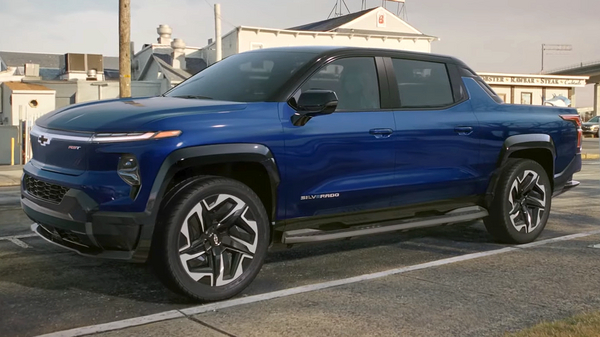
2026 Chevrolet Silverado EV
WT ~$55,395 · LT ER ~$72,395 · MR ~$91,795
The Silverado EV Max Range combines up to 200 kWh of battery, 760 hp, 493 miles of EPA range, and a 12,500 lb tow rating — the longest-range electric pickup currently sold anywhere. 350 kW charging adds 100 miles in 10 minutes, and Super Cruise handles highway driving hands-free across GM's 400,000-mile mapped network.
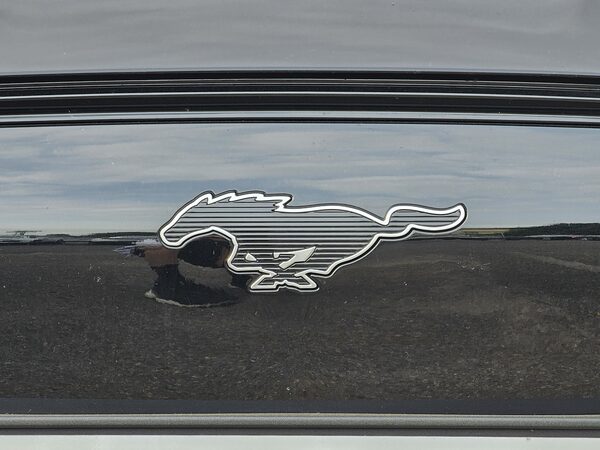
2026 Ford Mustang Mach-E
Select $37,795 · GT ~$56,000 · Rally $60,000
Ford's driver-focused electric crossover still holds up. The GT trim produces 480 hp, runs 0–60 mph in 3.3–3.6 seconds, and delivers 280 miles of EPA range. BlueCruise hands-free highway driving is optional, and the Rally trim adds a rally-tuned suspension and 20 mm lift for dirt-road confidence.
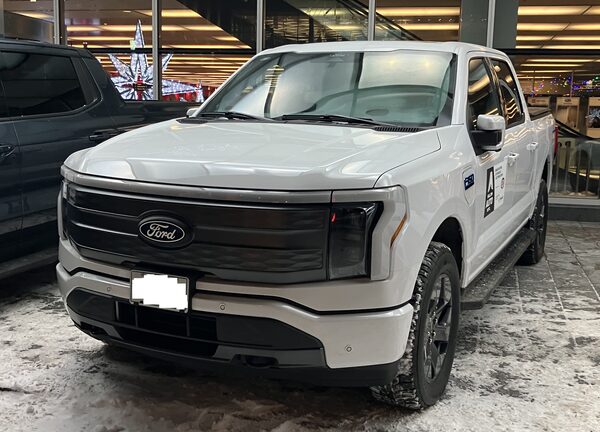
2026 Ford F-150 Lightning
From $64,000 to $86,000
Ford paused F-150 Lightning production after a 2025 supplier fire, so the 2026 model year is a carryover with limited inventory. 580 hp, 4.0s 0–60, 320 miles EPA range on the Extended Range battery, and 10,000 lb tow. Still the most mature electric pickup on the road — just don't expect major updates until the next-gen truck lands in 2027.
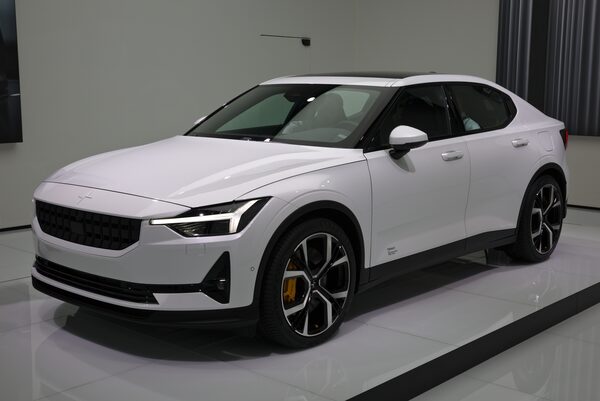
2026 Polestar 2 / Polestar 3
Polestar 2 from ~$55,000 · Polestar 3 from ~$68,000
The Polestar 2 sedan soldiers on as the brand's most affordable model, while the larger Polestar 3 SUV — assembled in South Carolina — competes directly with the Porsche Macan Electric. Both feature native Google Built-in, Volvo-derived safety systems, and IIHS TSP+ ratings. Polestar 3 was named Euro NCAP Best Executive for 2025.
Luxury tier: $90,000 and up
The luxury tier is the most aggressively competitive segment of 2026. Eight-hundred-volt-plus architectures, 400+ mile EPA ranges, and hands-free highway driving are now baseline expectations. This is where Lucid's 900V+ platform leads on raw range, where Rivian's Quad Launch hits 0–60 mph in 2.5 seconds, and where Mercedes pushed the EQS to a full 10-year battery warranty as a standard benefit.
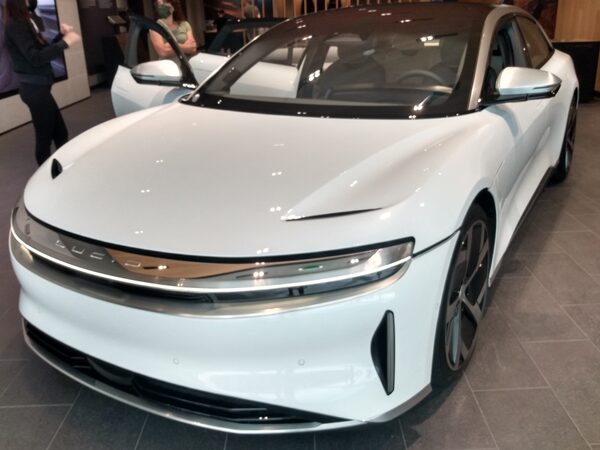
2026 Lucid Air
Pure $72,400 · Touring $79,900 · Grand Touring $114,900 · Sapphire $250,500
The Air Grand Touring holds the production-EV range record at 512 miles EPA, with 819 hp and 400 kW fast charging on its 900V+ platform. The Sapphire trim is the sharp end of the lineup — 1,234 hp, 0–60 mph in 1.9 seconds, and a 205 mph top speed. Pure and Touring trims pull 146 MPGe — the most efficient full-size sedan on sale.
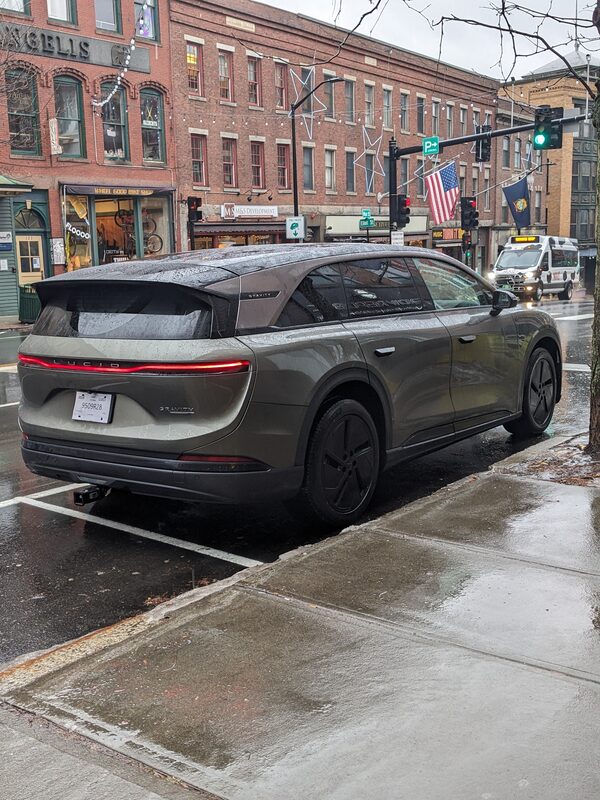
2026 Lucid Gravity
Touring $79,900 · Grand Touring $94,900 · 112 kWh
Lucid's first SUV and the 2026 World Luxury Car of the Year. Up to 828 hp and a class-leading 450 miles of EPA range. The 900V+ architecture adds 200 miles of range in just 11 minutes on a compatible DC fast charger. Available in 5-, 6-, or 7-seat configurations — one of the only luxury three-row EVs that genuinely seats seven adults in comfort.
2026 Rivian R1T / R1S
R1T $70,990–$121,885 · R1S $77,700–$126,885
Rivian's R1 lineup hit its stride with the 2025 refresh. Standard 92.5 kWh or Max 149 kWh batteries, dual 533 hp up to the Quad-motor Launch's 1,025 hp, and up to 410 miles EPA range. Native NACS, Rivian's own 962-port Adventure Network, and a best-in-class 8-year / up to 175,000-mile battery warranty — the longest in the industry.
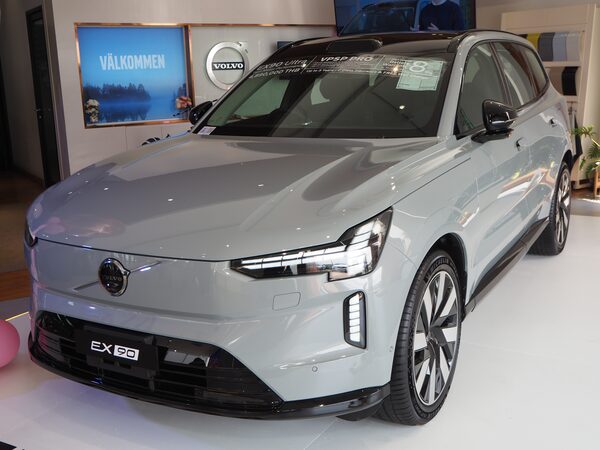
2026 Volvo EX90
From $77,990 to $92,885 · 92–106 kWh · Up to 510 hp
Volvo's electric three-row flagship received a major upgrade for 2026: 800V architecture and 350 kW DC charging that adds 155 miles of range in just 10 minutes. LIDAR is standard across all trims, and EPA range reaches 305 miles. The EX90 earned a 92% Adult and 93% Child Euro NCAP score and shared Best Large SUV honors with the Smart #5.
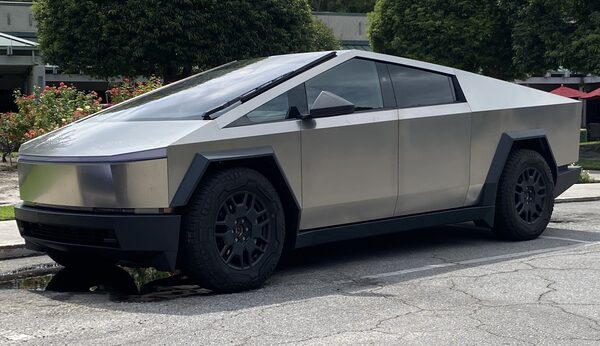
2026 Tesla Cybertruck
AWD $79,990 · Cyberbeast $114,990
Love or hate the styling, the Cybertruck hit IIHS TSP+ for 2026. 123 kWh battery, AWD 0–60 in 4.1s; the tri-motor Cyberbeast drops that to 2.6 seconds. Up to 325 miles of range and 11,000 lb tow rating, with steer-by-wire and the industry's only mass-production 48V electrical architecture.
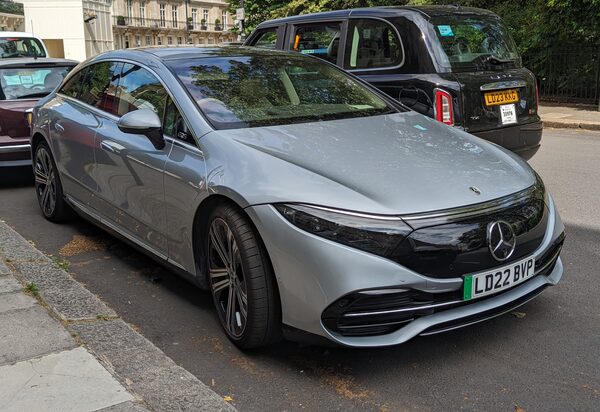
2026 Mercedes-Benz EQS
450+ $99,900 · 580 4MATIC $123,900 · 118 kWh
The EQS received a quiet but significant battery upgrade — now 118 kWh, with up to 390 miles EPA range, the longest of any Mercedes. Mercedes Drive Pilot remains the only Level 3 eyes-off system approved for US consumers, though it is limited to ≤40 mph on divided California and Nevada highways. 10-year / 155,000-mile battery warranty — a standout in the luxury segment.
2026 Polestar 5 (flagship GT, summer 2026)
Dual Motor ~$100,000 · Performance price TBD
Polestar's clean-sheet flagship GT lands this summer on a bonded-aluminum platform developed in the UK. Performance trim produces 884 hp, 749 lb-ft of torque, and runs 0–60 mph in 3.1 seconds. 112 kWh 800V battery and 350 kW DC fast charging. Think of it as the European rival the Lucid Air never really had.
Tesla Model S and Model X: production ends
Tesla confirmed in April 2026 that Model S and Model X production has ended, with a final Signature Series run at $99,990 (S Plaid) and $129,900 (X Plaid). There is no announced successor. Remaining inventory is expected to carry through Q3 2026, and service support continues under the standard 4-year / 50,000-mile warranty. Buyers considering used examples can still access Tesla's best-in-class fast-charging network and OTA software updates, but this is effectively the end of the line for Tesla's halo sedan and full-size SUV.
BYD in the UK and Australia (not US)
BYD crossed a historic threshold in 2025 — it overtook Tesla in global BEV deliveries (2.26 million vs 1.64 million), and overseas sales jumped roughly 370% year-over-year to over one million units. But BYD still does not sell in the US, so everything below is UK- and Australia-specific. In Australia, Chinese-made vehicles now hold 18% of total market share — the third-largest country of origin after Japan and Thailand.
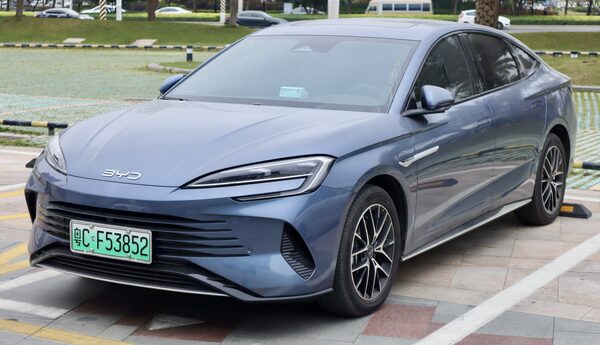
2026 BYD Seal
UK £45,730–£48,730 · AU Premium A$58,000+
BYD's sport sedan answer to the Tesla Model 3. Choice of 61.5 or 82.56 kWh Blade LFP batteries — notable for their thermal safety — with 204 to 523 hp depending on trim and up to 520 km WLTP. The Performance dual-motor variant runs 0–100 km/h in 3.8 seconds. Not eligible for UK's Electric Car Grant due to list price.
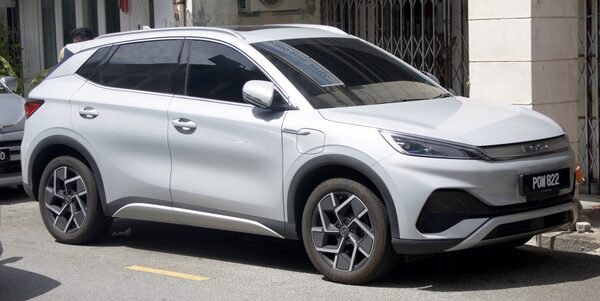
2026 BYD Atto 3
UK ~£30,000–£33,000 · AU A$39,990–A$44,990
The Atto 3 is BYD's volume family crossover in the UK and Australia, and was the 7th best-selling EV globally in 2025. 50 or 60 kWh LFP Blade battery, 201 hp, and 345–420 km WLTP range. It's the softer, more family-oriented alternative to the sportier Seal, and in Australia it is typically the cheapest credible mainstream EV after the smaller Atto 1.
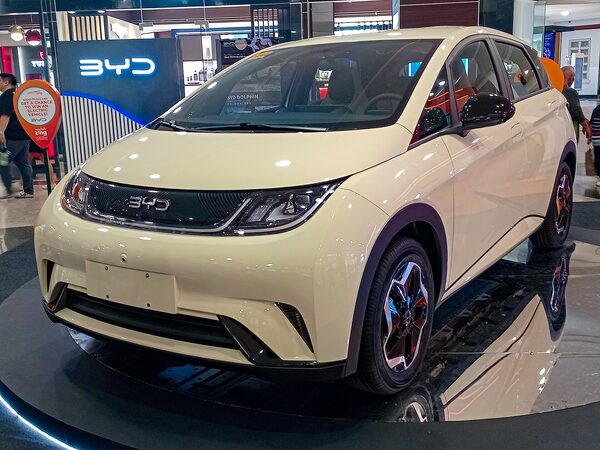
2026 BYD Dolphin
UK £26,195–£31,695 · 44.9–60.4 kWh
BYD's entry-level hatchback is one of the cheapest new EVs on sale in the UK. 44.9 or 60.4 kWh battery, 70 to 150 kW DC fast charging, and 211 to 265 miles WLTP. A genuinely credible Renault Zoe / VW ID.3 rival that undercuts both on upfront price while matching most of the spec sheet.
2026 BYD Sealion 7
AU Premium A$54,990 · UK Comfort £46,990
The Sealion 7 is BYD's Tesla Model Y rival. 82.56 kWh battery, 230 to 390 kW peak motor output, and 456–482 km WLTP range. Earned full five-star safety ratings from both Euro NCAP and ANCAP — the first Chinese-brand SUV to match the Model Y's crash scores head-to-head.
BYD Seal 6 PHEV (Australia only, April 2026)
Launched April 9, 2026, the BYD Seal 6 is the cheapest plug-in hybrid sedan or wagon in Australia at A$34,990 (Essential) / A$39,990 (Touring Premium). 55 to 100 km of pure EV range, 1,300 to 1,400 km combined range, and priced below most rivals' petrol-only base trims. A useful reminder that PHEV is still a viable bridge powertrain in markets where public DC fast charging is thinner than it is in the UK or US.
Range, charging, and the tax-credit fallout
What the September 2025 tax-credit expiration changed
The federal $7,500 EV tax credit expired September 30, 2025 under the One Big Beautiful Bill Act. US EV share immediately fell from 10.5% to 5.8% in Q4 2025. In response, manufacturers absorbed much of the gap: Hyundai cut Ioniq 5 MSRPs by up to $9,800, Kia is offering $10,000 off EV6/EV9/Niro EV, and several brands carry $5,000–$10,000 dealer discounts on 2026 inventory. State incentives remain active in California, Colorado (up to $5,000), New York ($2,000), Massachusetts ($3,500), NJ, IL, OR, and CT.
The new American-Made Vehicle Loan Interest Deduction (up to $10,000/yr through 2028) applies to US-assembled new vehicles, which disproportionately benefits the Tesla Model Y / Model 3 (Fremont, CA), Chevrolet Equinox EV / Blazer EV (Mexico — not eligible), Ford Mustang Mach-E (Mexico — not eligible), Hyundai Ioniq 5 and Ioniq 9 (Georgia), Nissan Leaf (Tennessee planned), Rivian R1 and R2 (Illinois), Lucid Air and Gravity (Arizona), and Polestar 3 (South Carolina). The Section 30C home-charger tax credit expires June 30, 2026 — if you're installing a wallbox, don't wait.
UK: Electric Car Grant plus 4% BiK
The UK Electric Car Grant (ECG) launched July 2025 and runs to 31 March 2029 (or until the £650M pot is exhausted). Band 1 delivers up to £3,750 (qualifiers: Renault 5, Nissan LEAF, Ford Puma Gen-E, Jeep Avenger, Leapmotor C10). Band 2 delivers up to £1,500 (VW ID.3/4/5, Škoda Enyaq, Vauxhall Corsa Electric, Hyundai Kona Electric, Kia EV3/EV4 Motion). Eligibility caps at £37,000 list price. The structural UK incentive remains Benefit-in-Kind tax of just 4% for EV company cars in 2026/27, compared with 37% for ICE — the single biggest reason EVs dominate UK fleet sales.
Canada: EVAP replaces iZEV
Canada's iZEV rebate closed March 2025. The new Electric Vehicle Affordability Program (EVAP) launched February 16, 2026 and runs through March 2031 on a first-come-first-served basis. Up to $5,000 CAD for BEVs/FCEVs, $2,500 CAD for PHEVs, with a $50,000 final-transaction-value cap (waived for Canadian-made vehicles). Provincial top-ups stack: Quebec offers up to $7,000 (tapering), and PEI, NL, Yukon, and Manitoba programs remain active. BC paused its passenger rebate and NB/NS programs ended.
Australia: FBT exemption is the real incentive
Australia offers no federal cash rebate. The structural driver remains the FBT Exemption via novated lease — eligible BEVs/FCEVs under the A$91,387 LCT threshold are exempt from Fringe Benefits Tax, saving $5,000 to $15,000+ per year depending on salary. PHEVs lost FBT eligibility April 1, 2025 (pre-existing leases grandfathered). At the state level, Queensland's $6,000 rebate remains active on EVs under A$68,000; the NSW, VIC, TAS, and WA rebates all ended, and Victoria's registration discount ended January 1, 2026.
Charging networks and the NACS standard
The US hit 71,398 public DC fast-charging ports in April 2026 (+33% YoY), with Tesla's Supercharger accounting for 52.5% of them. The UK crossed 119,080 public chargers across 46,107 locations, including 9,893 ultra-rapid 150 kW+ units (+41% YoY). Canada hit 39,603 total ports (8,804 DC fast), and Australia has 1,310+ fast-charging sites including the 7,000-km Western Australia EV Network. NACS (SAE J3400) is now effectively universal — every major brand sold in the US has Supercharger access via native plug or adapter.
Battery warranty norms
- Industry floor: 8 years / 100,000 miles, 70% capacity retention (US federal requirement). California mandates 10 years / 150,000 miles. All transferable by federal rule.
- Best-in-class: Hyundai/Kia 10 years / 100,000 mi. Mercedes EQS 10 years / 155,000 mi. Rivian 8 years / up to 175,000 mi (industry leader). Toyota bZ 10 years / 150,000 mi.
- Out-of-warranty replacement: $5,000 to $20,000+ depending on pack size and brand. Most real-world EVs retain above 85% capacity at 100,000 miles — replacements are rare within the warranty window.
Quick comparison table
A single-view snapshot of starting MSRP, power, EPA range (or WLTP where noted), charging speed, and key recognition across every model covered above. Scroll horizontally on mobile to see the full table.
| Model | Tier | Starting MSRP | Max hp | EPA Range | DC peak |
|---|---|---|---|---|---|
| Nissan Leaf S+ | Entry | $29,990 | 214 | 303 mi | ~100 kW |
| Hyundai Ioniq 5 | Entry | $35,000 | 320 | 318 mi | 257 kW |
| Tesla Model 3 | Entry | $36,990 | 510 | 363 mi | 250 kW |
| Chevrolet Equinox EV | Entry | $36,795 | 300 | 319 mi | 150 kW |
| Hyundai Ioniq 6 | Entry | $37,850 | 320 | 361 mi | 257 kW |
| Ford Mustang Mach-E | Entry | $37,795 | 480 | 280 mi GT | 150 kW |
| Tesla Model Y | Entry | $39,990 | ~510 | 327 mi | 250 kW |
| Kia EV6 | Mainstream | $42,900 | 641 GT | 319 mi | 257 kW |
| VW ID.4 | Mainstream | $45,095 | ~335 | 291 mi | 175 kW |
| Rivian R2 Standard | Mainstream | $45,000 | 656 | 345 mi | ~250 kW |
| Mercedes CLA 250+ | Mainstream | $47,250 | 268 | 374 mi est. | 320 kW |
| Volvo EX30 CC | Mainstream | $49,445 | 422 | 227 mi | ~150 kW |
| Kia EV9 Light RWD | Mainstream | $54,900 | 379 | 305 mi | 230 kW |
| Polestar 4 | Mainstream | $55,000 | 544 | 310 mi | ~200 kW |
| BMW i4 eDrive40 | Premium | $57,900 | 593 M60 | 333 mi | ~200 kW |
| Hyundai Ioniq 9 | Premium | $60,555 | 422 | 335 mi | 257 kW |
| BMW iX3 Neue Klasse | Premium | ~$60,000 | 463 | 400 mi | 400 kW |
| Ford F-150 Lightning ER | Premium | $64,000+ | 580 | 320 mi | ~150 kW |
| Audi Q6 e-tron | Premium | $65,095 | 483 | 321 mi | 270 kW |
| Audi A6 e-tron | Premium | $65,900 | 543 S6 | 392 mi | 270 kW |
| Rivian R1T | Premium | $70,990 | 1,025 Quad | 410 mi | 220 kW |
| Tesla Cybertruck | Luxury | $79,990 | ~845 CB | 325 mi | 250 kW |
| Lucid Air Touring | Luxury | $79,900 | 620 | 406 mi | 400 kW |
| Volvo EX90 | Luxury | $77,990 | 510 | 305 mi | 350 kW |
| Chevrolet Silverado EV MR | Luxury | $91,795 | 760 | 493 mi | 350 kW |
| Mercedes EQS 450+ | Luxury | $99,900 | 355 | 390 mi | 200 kW |
| Polestar 5 Dual Motor | Luxury | $100,000 | 884 Perf | ~310 mi | 350 kW |
| Lucid Gravity GT | Luxury | $94,900 | 828 | 450 mi | 400 kW |
| Lucid Air Grand Touring | Luxury | $114,900 | 819 | 512 mi | 400 kW |
| BYD Seal (UK) | UK/AU only | £45,730 | 523 | 520 km WLTP | ~150 kW |
| BYD Sealion 7 (AU) | UK/AU only | A$54,990 | 390 kW | 482 km WLTP | ~150 kW |
| BYD Atto 3 (AU) | UK/AU only | A$39,990 | 201 | 420 km WLTP | ~90 kW |
| BYD Dolphin (UK) | UK only | £26,195 | ~201 | 265 mi WLTP | 150 kW |
Frequently asked questions
For mainstream buyers, the Hyundai Ioniq 5 ($35,000 post-cut) is KBB's Best EV 2026 for the third year running — 800V charging, up to 318 miles of range, and native NACS. For a three-row family, the Kia EV9 (from ~$54,900) is unmatched. For flagship luxury range, the Lucid Air Grand Touring ($114,900) delivers 512 miles of EPA range, the most of any production vehicle.
The federal $7,500 EV tax credit expired September 30, 2025, and US EV share immediately fell from 10.5% to 5.8% in Q4 2025. Manufacturers absorbed much of the impact: Hyundai cut Ioniq 5 MSRPs by up to $9,800, Kia is offering $10,000 off EV6/EV9/Niro EV, and most 2026 EV inventory carries $5,000–$10,000 in dealer incentives. State incentives remain in California, Colorado, New York, Massachusetts, and several other states. The Section 30C home-charger tax credit expires June 30, 2026.
The Lucid Air Grand Touring leads the production-EV range table at 512 miles EPA. Behind it: Chevrolet Silverado EV Max Range at 493 miles, GMC Sierra EV Denali Max at ~478 miles (manufacturer estimate), Cadillac Escalade IQ at 465 miles, and the Lucid Gravity Grand Touring at 450 miles. Among mainstream-price EVs, the Hyundai Ioniq 6 SE Long Range RWD leads at 361 miles for under $40,000.
No. BYD does not sell passenger EVs in the US and has no announced plans to enter the US market in 2026 or 2027. BYD is widely available in the UK, Australia, and continental Europe — and overtook Tesla in global BEV deliveries in 2025 (2.26 million units vs 1.64 million). UK/AU buyers can choose from the Seal, Atto 3, Dolphin, Sealion 7, and (in Australia) the new Seal 6 PHEV.
Modern EV batteries are designed to outlast the rest of the vehicle. The US federal warranty floor is 8 years / 100,000 miles at 70% capacity retention (California mandates 10 years / 150,000 miles). Best-in-class: Hyundai and Kia offer 10 years / 100,000 mi, Mercedes EQS 10 years / 155,000 mi, Rivian 8 years / up to 175,000 miles (the industry leader), and Toyota bZ 10 years / 150,000 mi. Real-world fleet data shows most 2026-era batteries retain more than 85% capacity after 100,000 miles.
At US home electricity rates, a 2026 EV costs roughly $5.40 per 100 miles — compared with $13.33 per 100 miles for gasoline. UK: £7.40 home vs £11.25–18 at public DC. Australia: A$14.40 home vs A$24 at public DC. DC fast charging typically costs 2–3× home rates ($12 per 100 mi in the US), but most drivers use it only on road trips. 80% of UK EV drivers charge at home according to Zapmap's 2026 data.
The full multi-market EV lineup includes the Tesla Model 3 and Model Y, Hyundai Ioniq 5 and Ioniq 6, Kia EV6 and EV9, Ford Mustang Mach-E, Volvo EX30 and EX90, Polestar 2, 3, and 4, BMW i4 and iX3, Mercedes EQS and CLA Electric, and Audi Q6 e-tron and A6 e-tron. US-only: Chevrolet Equinox EV / Blazer EV / Silverado EV, Ford F-150 Lightning, Tesla Cybertruck, Rivian R1/R2, Lucid Air and Gravity, Nissan Leaf (redesigned). BYD: UK, AU, and EU only (no US).
Yes, in specific segments. US EV inventory remains elevated post-credit-expiration, and Cox Automotive expects manufacturer and dealer incentives to stay in the $5,000–$10,000 range on most 2026 mainstream EVs through at least Q3 2026. Hyundai's $9,800 Ioniq 5 cut and Kia's $10,000 off EV6/EV9/Niro EV are already baked into sticker pricing. In the UK, the Electric Car Grant runs to 31 March 2029 and will keep Band 1/Band 2 qualifiers under effective pressure to stay below £37,000.
The 2026 EV market offers more credible choices — at more price points — than ever before. US buyers should negotiate aggressively on 2026 inventory (many carry $5,000–$10,000 in silent discounts) and check whether their chosen model qualifies for the new American-Made Vehicle Loan Interest Deduction. UK buyers should check Electric Car Grant Band eligibility before cross-shopping. Australian buyers should price a novated lease with FBT exemption before paying cash. And every buyer should install the home wallbox while the US Section 30C credit still applies through June 30, 2026.